CPAP Ventilator Mode Explained — What It Is, How It Works & When It's Used 2026
You may have seen 'CPAP' on a ventilator screen in an ICU. Or your doctor may have mentioned CPAP ventilator mode during a hospital stay. But what exactly does CPAP mode mean on a ventilator — and how is it different from the CPAP machine used at home for sleep apnea?
This guide explains CPAP ventilator mode in plain language. No confusing abbreviations without explanation. No jargon without context.
You will learn what CPAP mode means in ICU ventilation, how it works, how it differs from PEEP, and — if you or your family member is being discharged from ICU — how to arrange home CPAP or BiPAP rental in Hyderabad the same day.

What is CPAP Ventilator Mode? — A Plain English Definition

CPAP ventilator mode is a setting on a mechanical ventilator or CPAP device where the machine maintains a constant (continuous) positive pressure in the patient's airway — throughout the entire breathing cycle, both during inhalation and exhalation.
The key word is spontaneous. In CPAP mode, the patient breathes on their own. The machine does not trigger, control, or force breaths. It simply holds the airway open with steady positive pressure — preventing collapse and making each breath less effortful.
2. Supports spontaneous breathing — the patient initiates every breath. The machine does not breathe for them.
3. Reduces work of breathing — the steady pressure means the patient's breathing muscles do less work to open the airway with each breath.
CPAP mode is used both on hospital mechanical ventilators (as one of several available modes) and as a standalone therapy via dedicated CPAP machines — for sleep apnea at home or non-invasive ventilation (NIV) outside the ICU.
CPAP Ventilation in ICU — When and Why It Is Used

In an ICU, CPAP ventilation is used at a specific point in a patient's recovery — when they are starting to breathe on their own but still need airway support.
| Clinical Situation | Why CPAP Mode is Used | Typical CPAP Pressure |
|---|---|---|
| Weaning from mechanical ventilation | Patient can breathe spontaneously — CPAP reduces ventilator support before extubation | 5–10 cmH2O |
| Acute Hypoxaemic Respiratory Failure | Collapsed alveoli are kept open by continuous pressure — improves oxygenation | 8–12 cmH2O |
| Post-operative respiratory support | After cardiac, thoracic, or abdominal surgery — supports breathing while anaesthesia wears off | 5–8 cmH2O |
| COPD exacerbation (NIV setting) | Delivered via mask — prevents need for intubation in acute COPD crisis | 8–12 cmH2O |
| Obstructive Sleep Apnea in ICU | Maintains airway during sleep — especially in obese patients admitted to ICU | 6–12 cmH2O |
| Neonatal respiratory distress | Low-pressure CPAP keeps premature infant's underdeveloped lungs from collapsing — Nasal CPAP (nCPAP) | 4–6 cmH2O |
| COVID-19 respiratory failure | Widely used during pandemic as non-invasive alternative to ventilator intubation | 8–14 cmH2O |
Home CPAP machine: delivered via a standard CPAP mask during sleep. Used for obstructive sleep apnea (OSA). Set by a sleep specialist. Used at home without clinical supervision.
Same physical principle (continuous positive pressure) — very different clinical context and level of monitoring required.
CPAP Mode on a Ventilator — How It Compares to Other Ventilator Modes
| Ventilator Mode | Full Form | Patient Breathes? | Machine Controls? | Best Used When |
|---|---|---|---|---|
| CPAP | Continuous Positive Airway Pressure | YES — spontaneous only | Pressure baseline only — no breath delivery | Patient can breathe, needs airway support only |
| PSV / PS | Pressure Support Ventilation | YES — triggers each breath | Augments each patient breath with extra pressure | Weaning — patient breathing but needs strength support |
| A/C (Volume) | Assist/Control Volume-Controlled | YES — can trigger | Full breath volume delivered every time | Early ventilation — patient too weak or sedated |
| SIMV | Synchronised Intermittent Mandatory Ventilation | YES — between mandatory breaths | Mandatory breath count per minute set by clinician | Weaning — gradual reduction of mandatory breaths |
| BiPAP (ventilator) | Bilevel Positive Airway Pressure | YES — spontaneous allowed | Switches between IPAP and EPAP pressures | COPD, NIV, central apnea — more support than CPAP |
| PC-CMV | Pressure Control Continuous Mandatory Ventilation | NO — passive | Every breath delivered at set pressure and rate | Fully sedated or paralysed patients |
| PRVC | Pressure Regulated Volume Control | YES — can trigger | Volume target met with lowest possible pressure | Lung protection — ARDS patients |
Full ventilator support (A/C or PC-CMV) → SIMV with PS → PSV alone → CPAP → T-piece trial → Extubation
CPAP mode is typically the LAST step before a patient is taken off the ventilator. It tells the clinical team: 'This patient can breathe on their own. We are just holding the airway open.'
This is why many CPAP ventilation in ICU patients — once extubated — are then transitioned to home CPAP or BiPAP therapy for ongoing airway support.
Difference Between CPAP and PEEP — Clear Explanation with Comparison Table

One of the most common questions from ICU caregivers and medical students is: what is the difference between CPAP and PEEP? They are related — but they are not the same thing.
| Factor | CPAP | PEEP |
|---|---|---|
| What it is | A complete ventilator mode — the entire breathing support strategy | A parameter (setting) — applied within other ventilator modes |
| When pressure is applied | Throughout the entire breathing cycle — inhalation AND exhalation | Only at end-exhalation — the pressure left in lungs after breathing out |
| Patient breathing | Patient breathes spontaneously — CPAP provides a pressure floor | Patient may or may not breathe spontaneously depending on the mode |
| Set as | A single pressure level (e.g., CPAP 8 cmH2O) | A number within a mode (e.g., PEEP 5 within A/C volume control) |
| Clinical goal | Maintain airway patency — prevent collapse — support spontaneous breathing | Prevent alveolar collapse at end-exhalation — improve oxygenation |
| Can exist without each other? | CPAP always creates PEEP (the CPAP pressure = PEEP at end-expiration) | PEEP can exist within any mode — including A/C, SIMV, and CPAP |
| Analogy | Like inflating a balloon to a set size and keeping it there all the time | Like stopping a balloon from fully deflating after every breath out |
However, PEEP does NOT always equal CPAP. In modes like A/C (Assist/Control), you can set PEEP = 5 while the machine delivers full mandatory breaths. There is no 'CPAP mode' here — just PEEP as a parameter within a controlled mode.
Simple rule: CPAP is always a mode. PEEP is always a parameter. CPAP always includes PEEP. But PEEP does not always mean CPAP mode.
From ICU CPAP to Home CPAP Rental in Hyderabad — The Step-Down Guide
Many patients treated with CPAP ventilation in ICU are discharged with a recommendation to continue CPAP or BiPAP therapy at home. This is called ICU step-down or home respiratory care.
At major Hyderabad hospitals — Apollo, Yashoda, KIMS, NIMS, Osmania General, and Continental — doctors frequently discharge patients with a CPAP or BiPAP prescription for home use after respiratory illness, COPD, or sleep apnea diagnosis.
3AM Healthcare specialises in exactly this transition. We deliver home CPAP and BiPAP machines to your Hyderabad home the same day you are discharged. Our technician sets the device to your prescribed settings and trains you and your family on its use.
Prescription says: 'BiPAP IPAP 14 / EPAP 8' — We deliver a BiPAP machine calibrated to exactly those settings. Our technician verifies pressure before leaving.
Prescription says: 'Home NIV — BiPAP-ST with backup rate 12' — We can arrange a BiPAP-ST machine (timed mode with backup breath rate). Call us to confirm availability.
No prescription yet? We can arrange a home sleep test in Hyderabad while you recover — starting from ₹999.
CPAP Machine on Rent in Hyderabad — Plans for Post-ICU & Home Therapy Patients
CPAP Rental Plans — Hyderabad (All Areas)
| Plan | Duration | Price | Includes |
|---|---|---|---|
| Daily | 1 Day | ₹999 | New mask + delivery + technician setup + pressure calibration |
| Weekly | 7 Days | ₹2,500 | Setup + mid-week support call |
| Monthly | 30 Days | ₹3,999 | 24/7 WhatsApp support + free device swap if failure |
| 3-Month | 90 Days | ₹9,999 | Best value — pressure re-check at Month 1 included |
| 6-Month | 180 Days | ₹17,999 | Dedicated account + free consumables kit at Month 3 |
BiPAP Rental Plans — Hyderabad (Post-ICU / COPD / Severe OSA)
| Plan | Duration | Price | Includes |
|---|---|---|---|
| Daily | 1 Day | ₹1,499 | IPAP/EPAP calibrated + new mask + delivery + home setup |
| Weekly | 7 Days | ₹4,999 | Setup + mid-week call |
| Monthly | 30 Days | ₹9,999 | 24/7 support + free device swap if failure |
| 3-Month | 90 Days | ₹24,999 | Best value — pressure adjustment + priority visits |
If your family member is being discharged from ANY Hyderabad hospital with a CPAP or BiPAP prescription — WhatsApp 3AM Healthcare and we will deliver the device to your home before the patient arrives. Same-day service: 7 AM to 10 PM, 7 days a week.
Zoom level 12 — shows Banjara Hills, Gachibowli, Secunderabad, Kukatpally coverage
Frequently Asked Questions — CPAP Ventilator Mode & Home Rental Hyderabad
CPAP ventilator mode is a breathing support setting on a hospital ventilator or CPAP machine. CPAP stands for Continuous Positive Airway Pressure. In CPAP mode, the machine keeps a steady air pressure in your airway at all times — while you breathe on your own. The machine does not breathe for you. It simply holds your airway open, reducing the effort needed to breathe. It is used in ICUs during weaning from ventilators, for COPD, and for sleep apnea.
In ICU, CPAP ventilation is delivered through an endotracheal tube or tight-fitting mask and is monitored continuously by respiratory therapists and intensivists. Home CPAP therapy uses a standard CPAP machine with a comfortable sleep mask. Pressure is fixed or auto-adjusting. It is used unsupervised during sleep for obstructive sleep apnea. Same principle — very different clinical environment and level of monitoring.
On a ventilator, CPAP mode maintains a constant positive pressure in the patient's airway throughout the entire breathing cycle — during both inhalation and exhalation. The patient breathes completely spontaneously; the ventilator does not deliver mandatory breaths. CPAP mode prevents airway and alveolar collapse, improves oxygenation, reduces the work of breathing, and is commonly used as the final weaning step before a patient is taken off the ventilator and extubated.
CPAP is a complete ventilator mode — the entire breathing strategy. PEEP (Positive End-Expiratory Pressure) is a parameter — a number set within various ventilator modes. CPAP always creates PEEP (the continuous pressure held equals the end-expiratory pressure). But PEEP can exist in any ventilator mode — including modes where the machine delivers full mandatory breaths. Simple rule: CPAP = mode. PEEP = parameter. CPAP always includes PEEP. PEEP does not always mean CPAP mode.
CPAP mode in ICU is used when the patient can breathe spontaneously but still needs airway support. Most commonly: (1) during ventilator weaning — as the final step before extubation, (2) for non-invasive ventilation in COPD or respiratory failure via mask, (3) post-operative respiratory support, (4) neonatal respiratory distress via nasal CPAP (nCPAP), and (5) obstructive sleep apnea in admitted patients. It is not used when a patient cannot breathe independently — those patients need full ventilator support.
CPAP mode can cause complications if used incorrectly or at inappropriate pressures. High CPAP pressures can cause barotrauma, reduced cardiac output, and patient-ventilator dyssynchrony. CPAP mode should never be used in patients who cannot breathe spontaneously — they need controlled ventilation. All CPAP settings in ICU are determined and monitored by qualified intensivists and respiratory therapists.
No. CPAP mode delivers ONE constant pressure throughout the breathing cycle. BiPAP (Bilevel Positive Airway Pressure) delivers TWO pressures — a higher IPAP when the patient breathes in, and a lower EPAP when they breathe out. BiPAP provides more respiratory support than CPAP and is used for COPD, central sleep apnea, and respiratory failure where the patient needs active inspiratory augmentation.
3AM Healthcare provides CPAP and BiPAP machine rental in Hyderabad with same-day home delivery after hospital discharge. We serve all major Hyderabad localities. CPAP rental from ₹999/day. BiPAP rental from ₹1,499/day. WhatsApp us or visit 3amoxygen.in.
Home CPAP is a specific form of non-invasive ventilation (NIV) — it delivers continuous positive pressure via a mask without intubation. NIV is a broader category that includes CPAP (single pressure), BiPAP (bilevel pressure), and more advanced modes like AVAPS. At home, 'NIV' usually means BiPAP therapy. 3AM Healthcare rents both CPAP and BiPAP (NIV) machines for home use in Hyderabad from ₹999/day.
Post-ICU CPAP or BiPAP Rental in Hyderabad — Same-Day Home Delivery
From ₹999/day. Free technician setup. 24/7 WhatsApp support.
- Same-day home delivery across Hyderabad
- CPAP/BiPAP calibrated to your discharge prescription
- New mask with every rental — never reused
- Professional setup and family training at home
- 24/7 WhatsApp support in Telugu/Hindi/English
- Free device replacement if any issue
- No hospital queues, no waiting
Additional Home Care Equipment
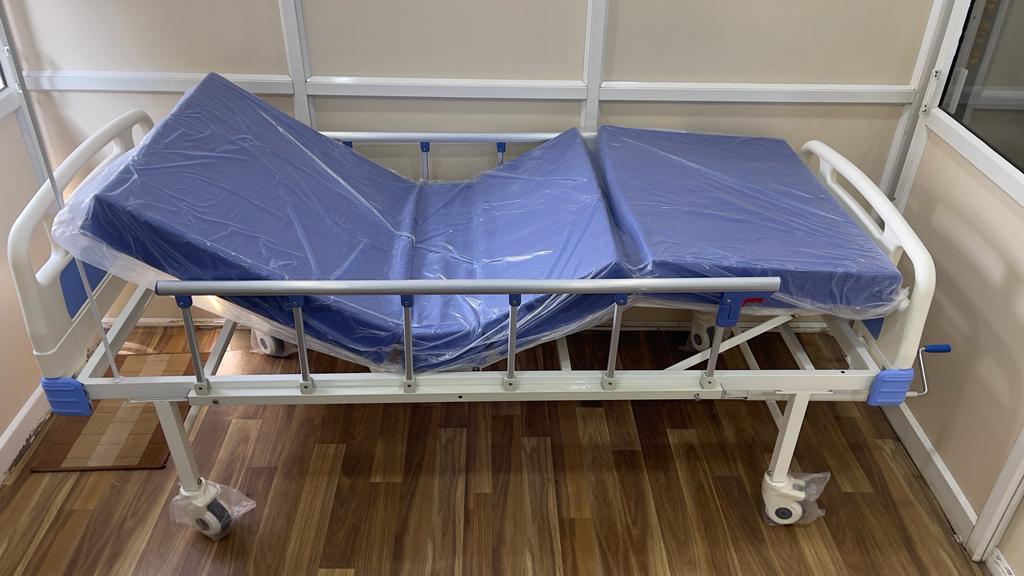
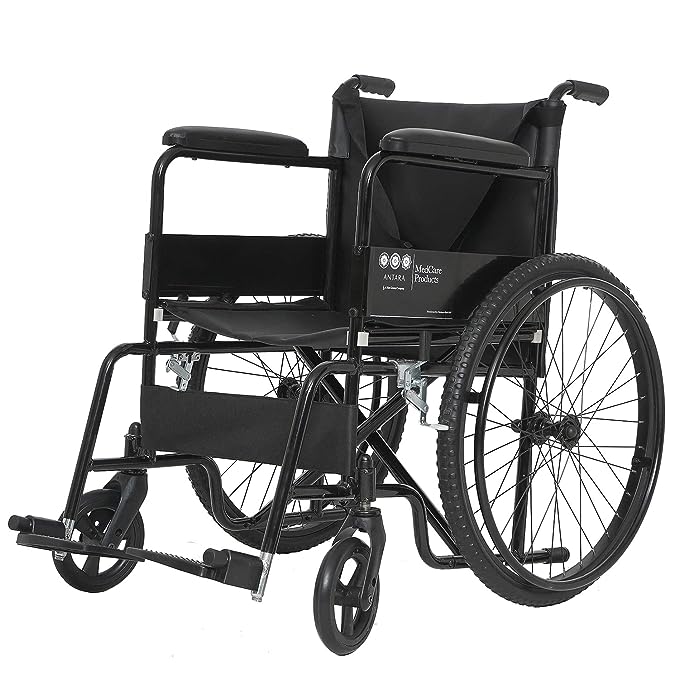
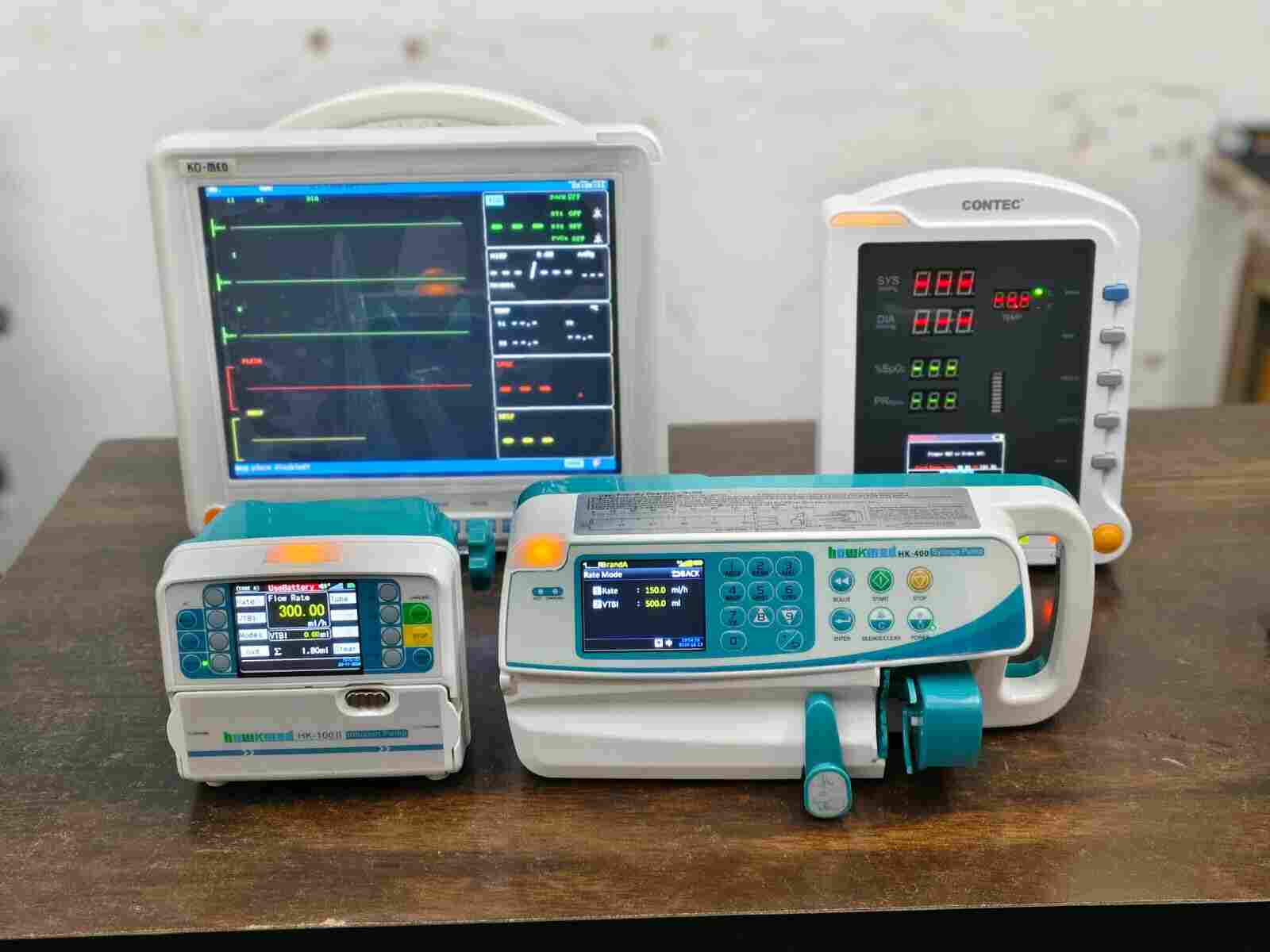
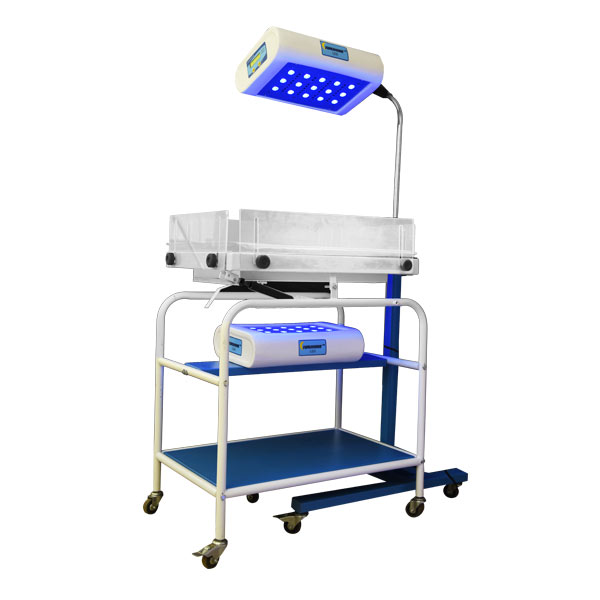
Along with respiratory therapy devices, 3AM Healthcare provides essential medical equipment for complete home care—available for rent and sale in Hyderabad. All equipment is quality-checked, promptly delivered, and supported by expert care—bringing hospital-level support to your doorstep.